
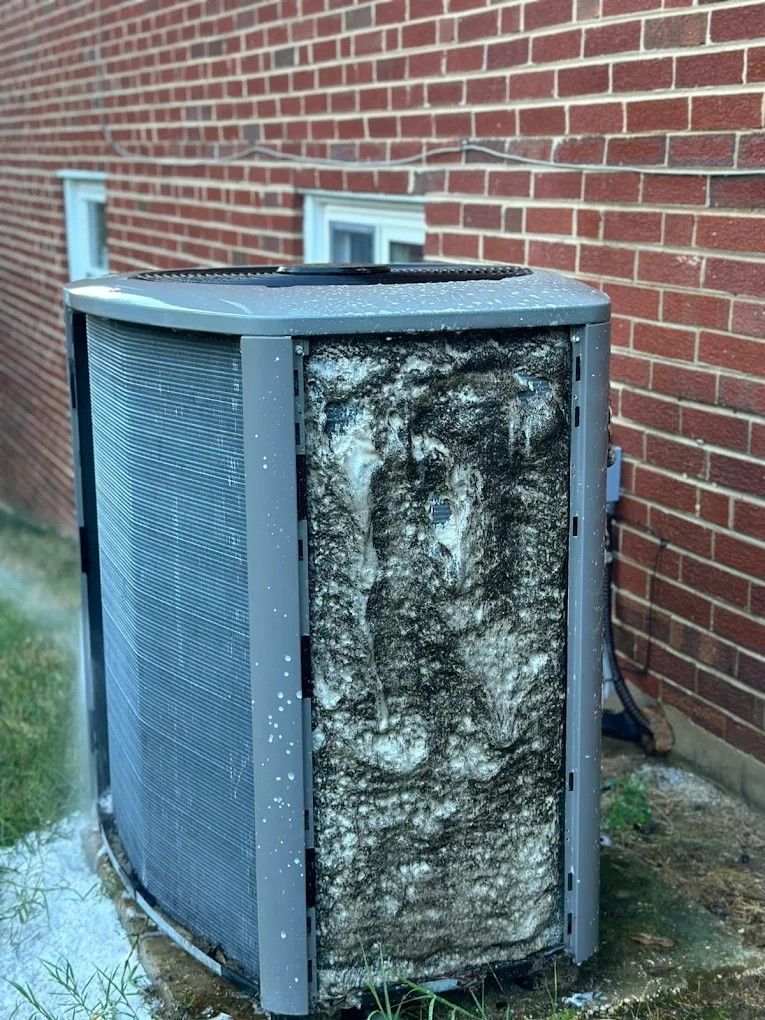
Routine Service That Prevents Mid-Season Failures
HVAC Maintenance in Silver Spring for homeowners avoiding unexpected breakdowns during extreme temperatures
When your air conditioning fails during a July heatwave or your furnace stops working on the coldest night in January, the problem often traces back to components that degraded gradually without inspection. C&V Home Services provides scheduled maintenance for heating and cooling systems in Silver Spring, Gaithersburg, Germantown, and surrounding areas addressing wear patterns before they cause complete shutdowns. Planned service visits include cleaning blower assemblies, checking refrigerant levels, testing electrical connections, and replacing filters—work that keeps systems running through peak demand periods when repair availability is limited and emergency rates apply.
Maintenance visits catch issues like capacitor swelling, loose belt tension, and evaporator coil blockages that reduce efficiency by twenty to thirty percent before causing total failure. Technicians measure temperature differentials across the heat exchanger during heating season and refrigerant pressures during cooling season to verify the system performs within manufacturer specifications.
Enroll in a seasonal maintenance plan to schedule inspections before heating and cooling seasons begin.
How Ongoing Maintenance Addresses System Degradation
Systems degrade through normal operation—dust accumulates on blower wheels, refrigerant connections develop microscopic leaks, and electrical contacts corrode from temperature cycling. Maintenance addresses these patterns by cleaning components that restrict airflow, tightening connections that increase electrical resistance, and documenting performance trends that indicate approaching component failure.
After routine service, you notice shorter runtimes to reach thermostat settings, quieter operation without rattling or squealing, and lower utility bills compared to months when the system ran without inspection. Systems receive lubrication on motor bearings, calibration checks on thermostat sensors, and drain line clearing to prevent water backup into the air handler cabinet.
Maintenance plans typically include two visits annually—one before cooling season and one before heating season—though homes with heat pumps that operate year-round may benefit from quarterly inspections. The service does not include refrigerant recharging or component replacement beyond filters, which are addressed separately when measurement indicates leaks or electrical failures.
Common Questions About This Service
Property owners often want to understand what happens during maintenance visits and how seasonal service differs from repair calls.
What gets inspected during a maintenance visit?
Technicians check airflow rates, measure refrigerant pressures and temperatures, test capacitor microfarad ratings, inspect heat exchanger surfaces for cracks, and verify thermostat calibration against actual room temperature.
How does maintenance prevent breakdowns?
Regular cleaning and adjustment address wear before components fail completely—replacing a capacitor showing early swelling during maintenance costs less than an emergency call when it fails and shuts down the compressor.
Why do HVAC systems in Silver Spring need seasonal maintenance?
Temperature swings between winter lows and summer highs stress components through repeated thermal expansion and contraction, accelerating wear on parts that benefit from regular inspection and lubrication.
When should maintenance be scheduled?
Spring maintenance prepares cooling systems before high-demand summer months, while fall maintenance ensures heating systems operate reliably before January temperature drops.
What records do I receive after each visit?
You get a service report listing all measurements taken, components inspected, adjustments made, and recommendations for parts approaching end of service life based on observed wear patterns.
C&V Home Services tracks system performance across visits to identify trends that indicate declining efficiency or developing problems. Request information about maintenance plan options that fit your system type and usage patterns.